
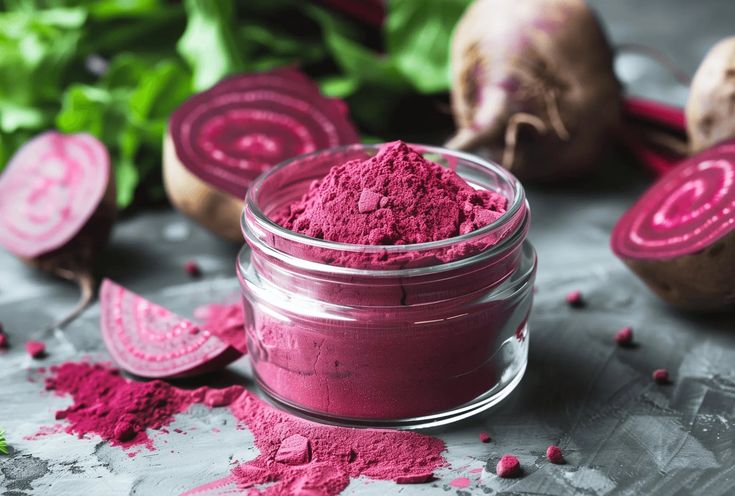
Natural colors have become a steady part of modern food making. People notice bright foods but they also care about where those colors come from. Beetroot Colour stands out because it gives foods a rich red shade from a familiar vegetable. It works across many recipes and helps products look fresh without changing their overall character. Food makers value it for its natural look easy use and ability to fit many different types of products.
Fresh Beetroot as Source
Fresh beetroot remains one of the main sources for natural red coloring. The roots contain pigments that create deep shades suitable for many foods. Careful harvesting and processing service keep those pigments intact. Producers generally choose healthy plants because it is best to start long before production begins. Pure raw materials often give higher light stability later. The simple connection between agriculture and food processing plays an important role in achieving reliable color results during production.
Careful Processing Preserves Quality
Good processing practices protect the herbal ingredients and keep the very last part reliable. Gentle extraction proper filtration and controlled drying all contribute to greater coloration and overall performance. Every stage of production is an issue because the herbal material can change if it is treated poorly. Reliable manufacturers describe each step to maintain consistent beauty. Careful production also helps reduce variation between batches making it easier for food companies to create products with the same attractive appearance throughout the year.
Understanding Natural Red Shades
The Colour Of Beetroot can range from vibrant ruby to rich crimson purpurine depending on the selection developing conditions and processing method. Small differences are constant because herbal compounds respond to their environment. Food developers often regulate recipes to harvest the exact color they need. That flexibility injects native-based total paint into many packages. A balanced color choice allows clients to be captivating, vibrant and visible while recognizably having a natural look.
Works Across Many Foods
Beetroot-based coloring fits into a wide range of food products. Dairy desserts confectionery, beverages, bakery items sauces and frozen treats all benefit from its rich appearance. Product developers enjoy having one ingredient that works in several categories without making recipes overly complex. The final shade depends on the recipe and production process though the natural look remains a major advantage. That versatility supports creative food development across many different markets.
Consistency Matters Every Time
Food companies expect ingredients to perform the same way from one production run to the next. Solid shade allows products to maintain a familiar look that customers accept as true. Careful effort and careful check-outs also reduce unwanted variations by aiding untested production. Reliable herbal pigments also help to simplify the manufacturing schedule, as they require much less adjustment at some stage of processing. Consistent results save valuable time and contribute to the finished product meeting the needs and expectations of many users.
Choosing Trusted Ingredient Partners
Choosing a reputable vendor is as important as choosing the right color supply. Strong specifications and careful testing and reliable documentation all contribute to excellent design results. Experienced suppliers learn how natural components behave in individual food applications. That expertise allows groups to gain consistent results and reduces production issues. Long-term supplier relationships also encourage continuous improvement, which gives food manufacturers more confidence and develops products to transform customer preferences and grow markets.
Conclusion
Beetroot remains one of the most valuable natural sources of rich pink food coloring because it combines visual appeal with reliable overall performance in many applications. Understanding the source processing and shadow characteristics helps manufacturers make better product selections. Businesses seeking to find reliable natural colorants can explore the options available through foodrgb.com where delicious content guides reliable cooking with everyday natural descriptions of a wide range of foods.
