
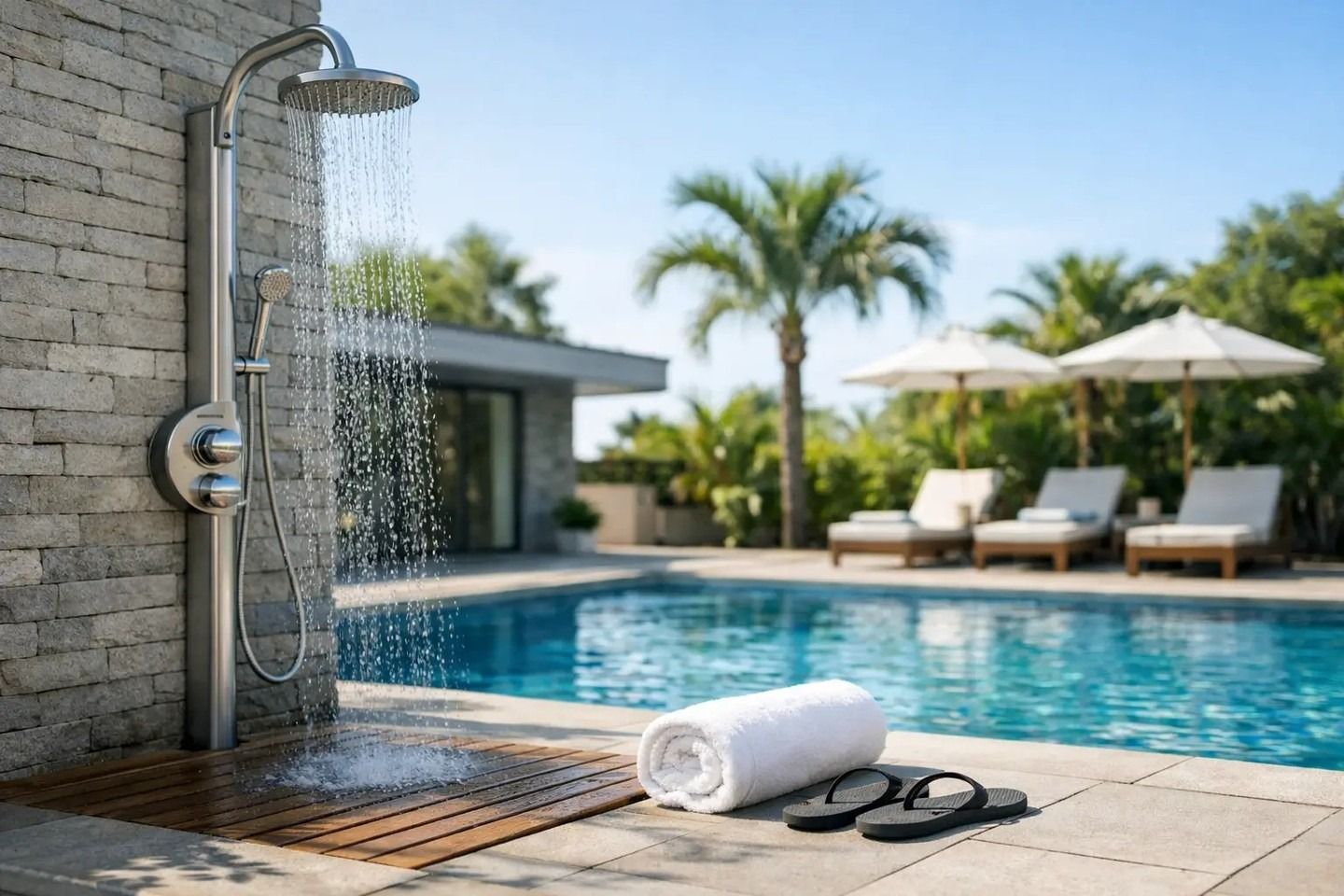
Start With Purpose and Site Fit
Before choosing equipment, confirm where foot care will happen and why it matters for your visitors. Map the typical flow of people from wet areas to seating, entrances, or activity zones, and note how close the setup should be foot washing station to reduce tracking. Treat it like a small infrastructure project, not just an accessory.
Next, assess the surface conditions you’re working with: sand, grass, tile, concrete, or gravel can all change how cleaning should be handled. If your area has frequent splashes, plan for water containment so runoff doesn’t spread debris across the site. Consider accessibility as well, including how guests approach, where they stand, and whether mobility needs are served. When you match the unit design to your site layout, you reduce both maintenance and user friction.
Check Water, Drainage, and Hygiene Features
Use a simple checklist for water delivery so visitors can rinse effectively without wasting time. Look for an adjustable flow that supports quick rinsing while remaining manageable for different foot sizes and levels of dirt. Confirm water bottle filling station that the setup supports easy temperature control if your environment requires it, and verify whether the unit is designed to handle repeated use. Consistent performance is essential in high-traffic outdoor settings.
Drainage is just as important as water flow, because poor drainage turns a cleaning aid into an ongoing cleanup problem. Evaluate where runoff goes, how quickly the area clears, and whether the design helps keep surrounding surfaces drier. Many locations benefit from a structure that directs water away from walkways and toward an appropriate drainage method. Hygiene also benefits from materials that resist corrosion and scale buildup, especially where hard water or frequent rinsing occurs.
Review Usability, Safety, and Maintenance Requirements
Walk through the experience from a guest’s perspective and score the setup for ease of use. Check for clear reach and stable foot placement, since the best results come when people can rinse confidently. Safety matters too: verify that surfaces are slip-resistant and that the unit is designed to handle wet foot traffic without creating hazards. If your environment is busy, the design should reduce crowding by enabling efficient, orderly use.
Then confirm how the equipment will be maintained by your team. Look for components that are accessible for cleaning and inspection, because simple upkeep prevents long-term performance issues. Consider whether the unit includes practical features that reduce clogging and help staff remove debris quickly. A commercial-ready build can be the difference between frequent downtime and reliable daily operation in public-facing spaces.
Conclusion
Prioritize durable construction, straightforward cleaning access, and a design that supports smooth guest flow from arrival to recreation areas. The Fountain Direct offers practical outdoor solutions for beaches, parks, pools, and recreational spaces, with dependable performance in busy environments at thefountaindirect.com. For teams responsible for cleanliness and visitor satisfaction, these selection steps help reduce surprises after installation. When the unit fits the site and the staff can maintain it easily, the area stays welcoming and operational. Use your checklist to compare options and choose equipment that supports consistent results, from busy weekends to steady daily use. With the right system in place, you can keep outdoor pathways cleaner and make foot rinsing a hassle-free part of the experience.
