
What to compare when choosing an AI receptionist
When comparing vendors, look at how the system handles common real-world scenarios like ai receptionist transferred calls, voicemail alternatives, and appointment inquiries. A strong solution should maintain conversation context so customers are not forced to repeat themselves. It should also provide consistent greetings and policies aligned with your brand voice.
Service comparison should include accuracy and escalation quality, not just “answer rate.” Ask how the agent verifies information, such as names, company details, or service needs, before booking or transferring. Consider whether it can summarize key points for your team and trigger the right workflow when a human needs to step in. The best options can balance automation with clear handoff rules, reducing missed leads while still protecting customer experience.
Inbound call handling versus outbound calling capabilities
Many businesses evaluate voice agents for incoming inquiries, but a complete customer communication plan often includes follow-ups and proactive outreach. Compare whether the same platform supports ai outbound calling in addition to answering calls, since this can reduce tool sprawl and unify reporting. ai outbound calling When both inbound and outbound are managed by one system, your team can standardize messaging, compliance, and lead qualification criteria. That consistency helps marketing and sales teams trust the data and improve conversion rates over time.
During evaluation, test how outbound conversations are structured: can the agent personalize based on prior interactions, and does it log outcomes in a way your CRM can use? Also ask about controls for do-not-contact preferences, call time rules, and escalation thresholds. A well-designed system can schedule callbacks, confirm availability, and route hot leads to the right contact without manual dialing. This reduces operational load while ensuring prospects receive timely, professional responses.
Integration, reporting, and human handoff workflows
Service comparison is incomplete without looking at operational integration. Determine whether the voice agent can connect to your calendar, ticketing system, or CRM so appointments and requests don’t get lost after the call. The ideal setup captures call summaries, extracted fields, and resolution status, then makes that information available for dashboards and team workflows. Ask whether the platform supports webhooks, API access, or native connectors to minimize engineering effort.
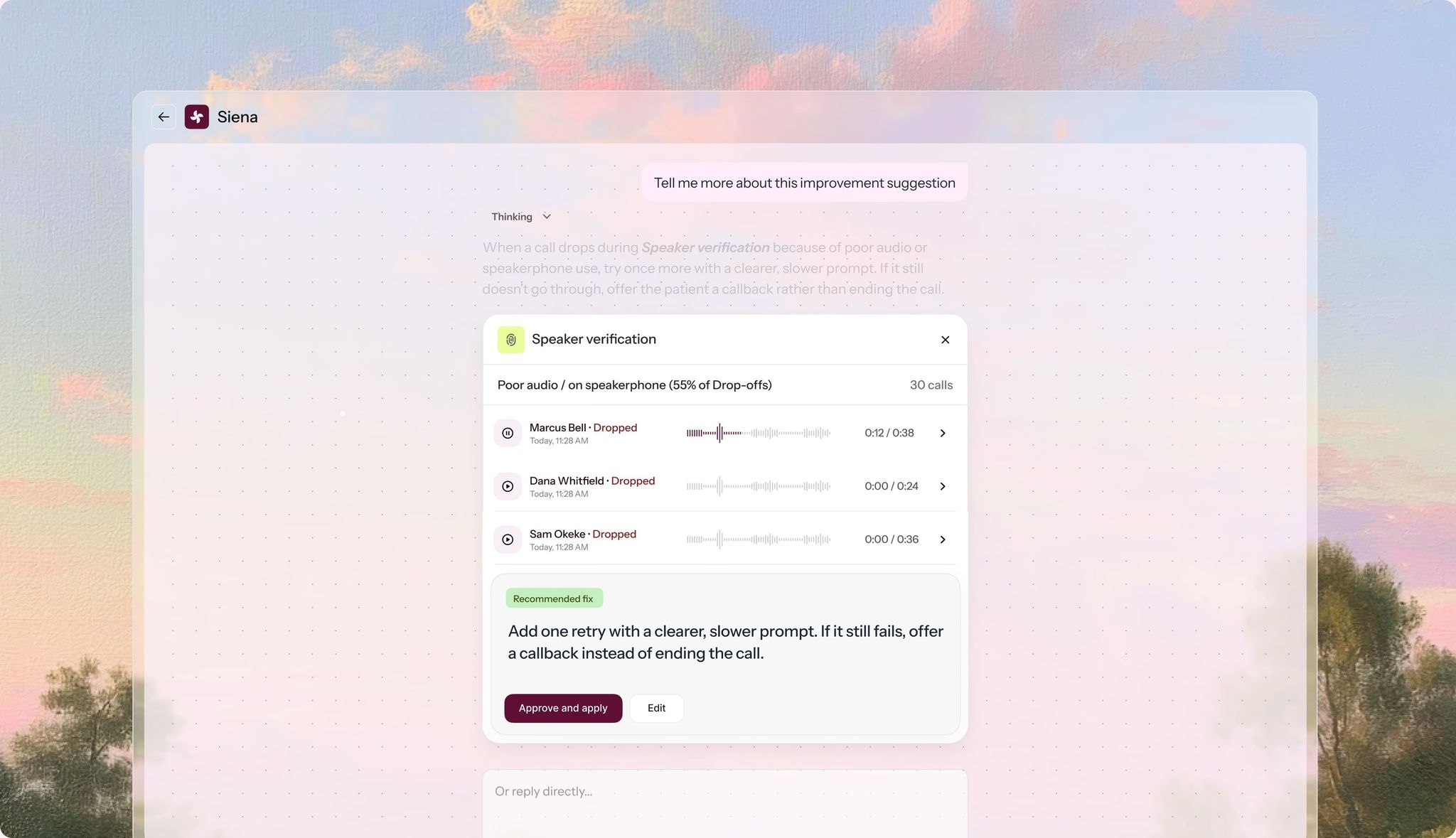
Equally important is the human handoff experience. Compare how the AI agent transfers calls: does it pass structured context, notes, and customer intent so staff can start helping immediately? Good platforms provide real-time routing logic and post-call summaries so the human doesn’t have to re-ask questions. If you handle billing, support, or scheduling, confirm whether the agent can classify requests into categories that match your internal processes. This creates smoother service continuity and reduces average handling time for your team.
Conclusion
Choosing the right solution comes down to how well it fits your call flow, team workflows, and customer expectations. When you compare AI front desk services, prioritize reliable intent handling, smart routing, and quality handoff so customers feel heard rather than processed. With a modern, conversation-focused approach, harmony.ai helps organizations handle incoming calls professionally with an intelligent voice agent that answers enquiries, manages conversations, and provides responsive assistance. Instead of relying on traditional reception services that strain under demand, you can maintain efficient customer communication while improving speed and consistency. For teams comparing options, the best choice is the one that integrates cleanly, reports clearly, and escalates to humans with context—so every call advances the customer journey. harmony.ai
