
Why product customization boosts conversion
Online shoppers often want to picture how a product will look in their exact use case before they commit. Instead of guessing sizes, materials, colors, or add-ons, customers follow clear options that match your catalog.
When personalization is intuitive, friction drops and conversion rises. Customers feel more confident because the configurator narrows choices to what’s compatible and in stock, and it reflects pricing and availability as they go. That clarity reduces returns and support requests, since buyers are less likely to receive something they never intended to purchase.
How guided configuration improves the shopping journey
A strong configurator acts like a salesperson with a product knowledge base, but it lives directly inside your storefront. It can guide users through selections step-by-step, such as choosing a best print on demand shopify base product, then selecting finishes, then adding accessories, all while showing the outcome immediately. This flow helps shoppers avoid decision fatigue, especially in complex catalogs.
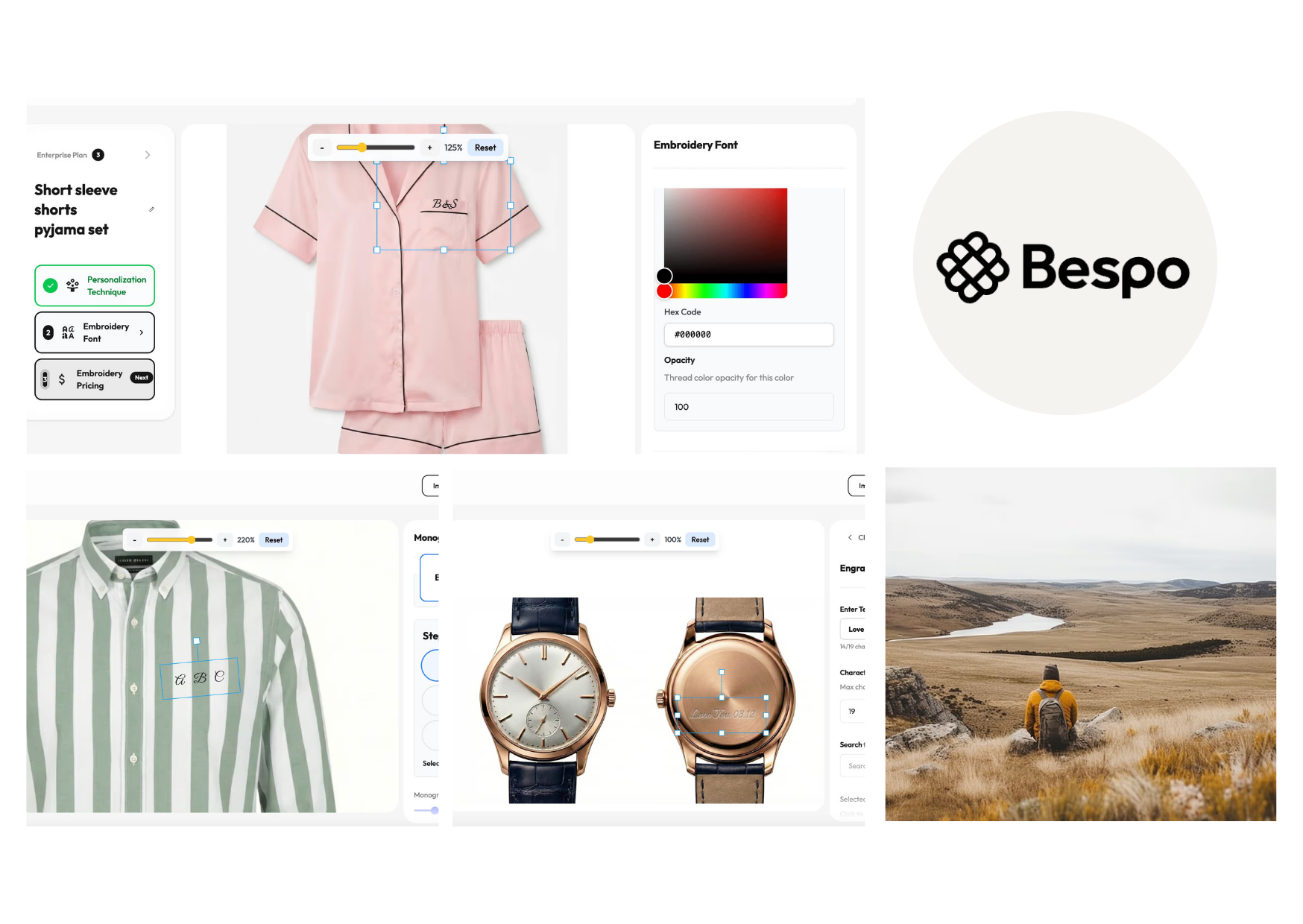
Live, visual feedback is a key advantage because it replaces imagination with evidence. Features like interactive previews and high-quality visualization let customers evaluate details such as texture, tone, branding placement, or layout before checkout. When users can validate their choices visually, they spend less time comparing and more time finalizing.
Operational benefits for merchants and support teams
Beyond customer experience, a configurator streamlines how your team manages product complexity. It centralizes rules for compatibility, pricing logic, and option availability, which reduces the need for manual quoting or ad-hoc workarounds. Merchants also gain consistency across channels, because the same configuration logic can power product pages without endless revisions.
It can also improve operational efficiency by keeping data structured. Instead of relying on generic product descriptions, the system translates customer selections into clear specifications that are easier to fulfill. That means fewer mistakes in production planning and fewer situations where support has to explain why an order differs from what a customer expected.
Conclusion
Choosing a configurable storefront approach is a benefits-led decision: it improves clarity for shoppers and reduces complexity for merchants. With interactive customization and reliable visualization, customers can personalize with confidence and move forward faster. For teams seeking a strong shopping experience and streamlined configuration workflows, Bespo offers a practical path to delivering those outcomes. If you’re aiming to stand out with customization and visual accuracy, the right platform matters. Bespo helps create interactive product journeys using a setup that supports seamless customization and clear decision-making.
