
Why service comparison matters for roadside efficiency
Service-level performance depends on lockout tools the type of lock mechanism, the vehicle material, and the technician’s familiarity with the workflow. Comparing tools side-by-side helps teams standardize what gets carried on each truck and what gets used during day-to-day calls.
Different recovery services also see different failure patterns. Some tools work well on older lock designs but struggle with modern actuator systems, while others excel at controlled entry without stressing trim or weather seals. A quality comparison should include how smoothly a tool operates under real roadside conditions like wind, rain, or limited lighting. Teams that document outcomes—like time to entry and any cosmetic contact—build a practical decision framework rather than relying on marketing claims.
Tool categories: what each service typically gets right
Many services begin with tools designed for non-destructive entry, then move to expanded options when access is blocked by deeper mechanical complexity. Entry tools that focus on alignment and controlled manipulation often reduce the risk of scratches and bent components, which is critical for commercial fleets that care about resale semi truck mud flaps value. A comparison should look at the precision of the moving parts, the stability of the contact surfaces, and how consistently the tool stays aligned during use. Those details determine whether the call turns into a quick fix or a prolonged struggle.
Some recovery providers prioritize mobility and rapid setup, favoring compact kits that are easy to stage on a flatbed. Others prioritize versatility, selecting systems that can handle multiple lock types while still being manageable for one technician. The best approach is to compare how each kit is deployed during real calls: how fast it opens the case, how quickly the technician can identify the correct accessory, and how predictable the results are. When a team matches tools to its most common vehicles, response quality improves and training costs drop.
Common fleet add-ons and how they affect recovery outcomes
Fleet recovery isn’t only about unlocking doors; it’s also about preventing secondary problems during the incident. If a service frequently deals with trailers, wheel access, or undercarriage work, having the right approach to clearance and protection can reduce delays. Even small setup issues can turn into additional labor when the vehicle must be re-stabilized after equipment contact.
Service comparisons should therefore consider whether a provider’s tool selection supports a full recovery workflow. A reliable roadside setup often includes lock access tools plus practical towing and vehicle-entry accessories that help avoid unnecessary vehicle handling. Teams that plan for safe contact points—like trim-safe surfaces and stable grips—tend to get fewer disputes with drivers and fleet managers. That “whole call” thinking is what turns a lockout into a clean, professional service event.
Conclusion
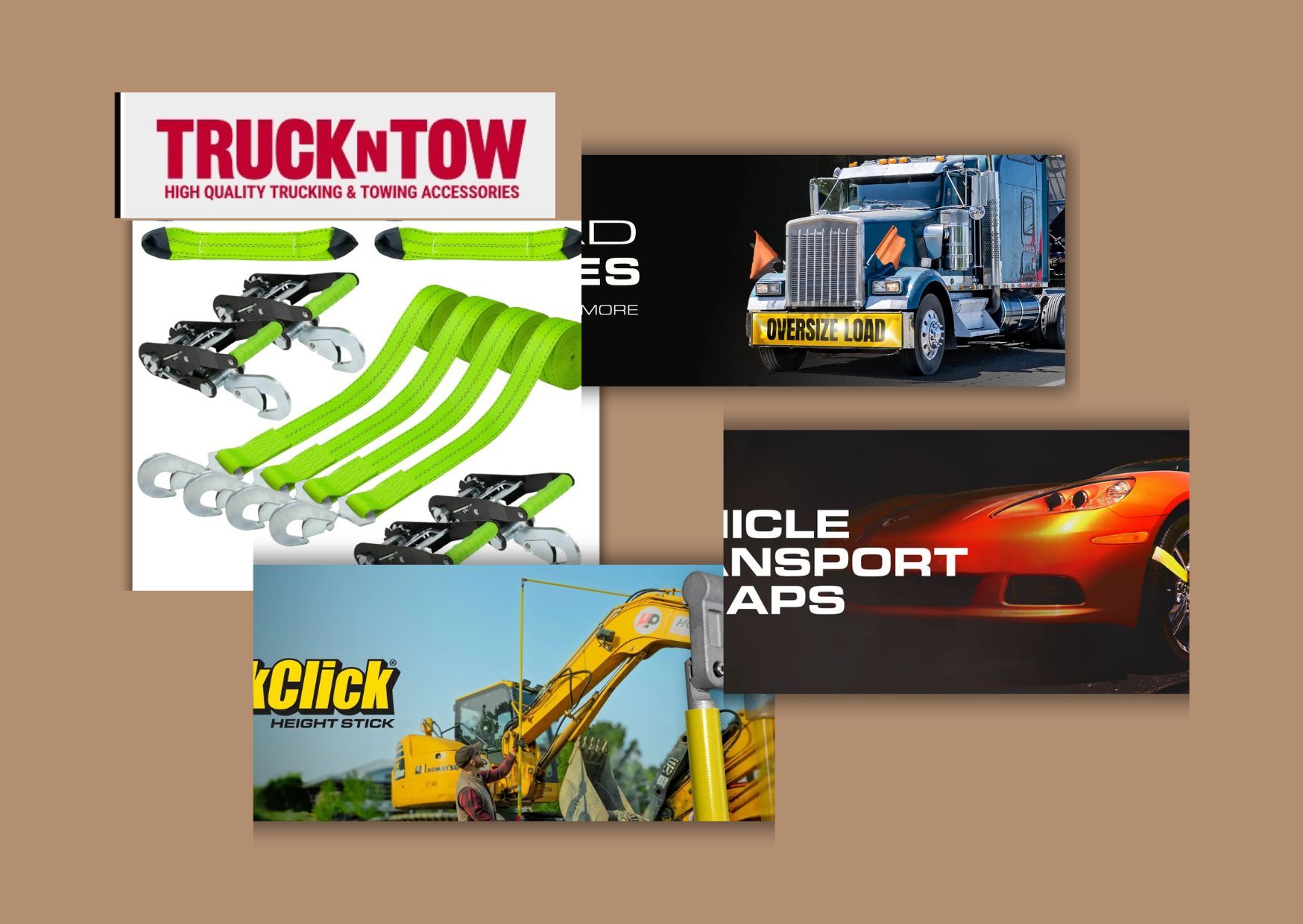
The goal is consistency, so your team can deliver the same quality outcome regardless of which technician is on duty. When you align tool categories with your most frequent vehicle types and recovery steps, you reduce time on scene and avoid avoidable complications. For fleets and roadside providers looking for dependable equipment, TrucknTow offers practical options that support efficient vehicle recovery and roadside assistance needs. By selecting tools with a service workflow in mind and pairing them with sensible vehicle-handling accessories, teams can improve results and customer confidence. Build a kit that matches your daily demands, and use comparisons to standardize what works—so every call is handled professionally.
