
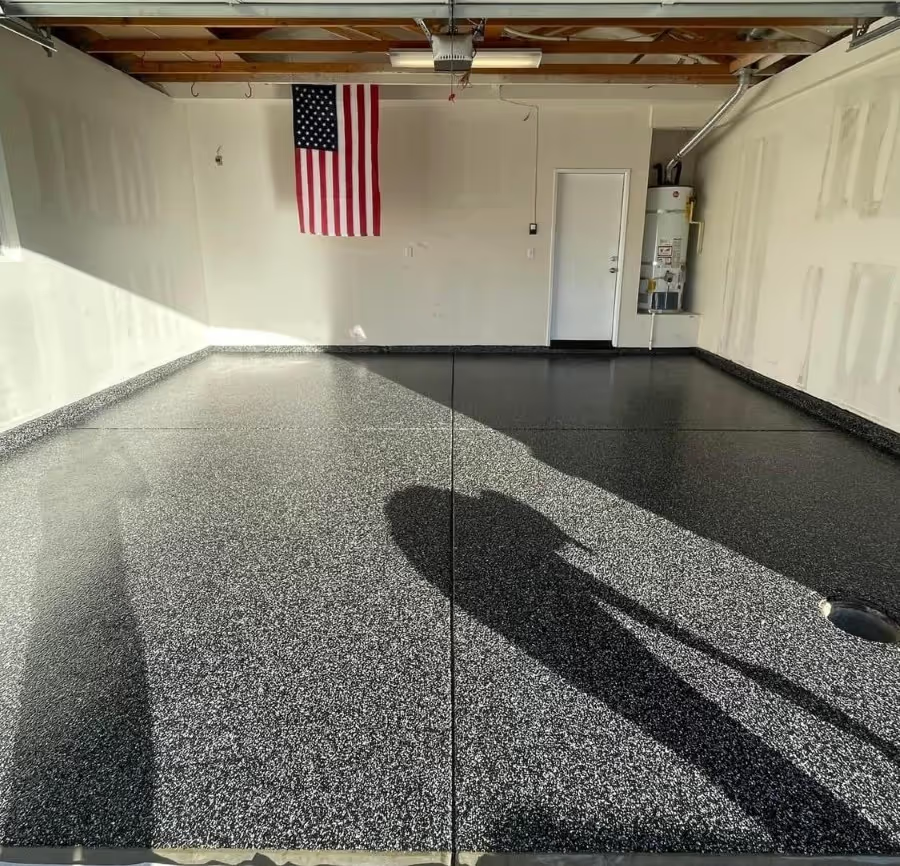
A garage that doubles as a workshop needs more from Garage Flooring than a space used only for parking. Toolboxes, sawdust, oils, rolling equipment, project debris, and repeated foot traffic can all affect the surface, so the floor should be selected around how the room actually works.
A good workshop floor also has to remain easy to clean. Too much texture can trap debris, while a finish that is too smooth may not suit areas that become wet or oily. The goal is to balance durability, traction, and maintenance before the coating system is chosen.
Start With the Work That Happens Most Often
Woodworking, automotive repair, bike maintenance, and general DIY projects create different types of mess and wear. One workshop may see fine dust every weekend, while another deals more often with oil, metal shavings, or heavy wheeled equipment.
An Epoxy Floor can be useful when the goal is to create a seamless surface over properly prepared concrete, but the complete system still needs to match the workload. The base coat, topcoat, and texture should all be chosen for the way the garage is used.
Map Rolling Equipment and Heavy Loads
Tool chests, floor jacks, workbenches, and carts place concentrated loads on small areas. Hard wheels can also make uneven concrete or rough transitions more noticeable than ordinary foot traffic.
Before installation, map where equipment moves and where it stays parked. This helps identify high-use zones that may need extra attention during preparation and makes it easier to plan a surface that will not interfere with workshop movement.
Prepare the Concrete Before Building the Workshop
Old paint, oil contamination, cracks, pitting, and weak surface material can affect adhesion. Mechanical grinding can remove unsuitable material and create the profile needed for a resin system to bond properly.
Repairs should be completed before cabinets and benches are permanently installed. Keeping the slab accessible from wall to wall makes edge preparation easier and avoids leaving untreated sections beneath equipment that may move later.
Choose Texture for the Debris You Create
A workshop that regularly produces sawdust or metal filings may benefit from a surface that can be swept or vacuumed quickly. An overly aggressive texture can hold fine debris and make cleanup take longer.
Areas where water or automotive fluids are common may justify more grip. Instead of giving the entire garage the roughest finish possible, texture should reflect the dominant working conditions and the cleaning tools available.
Plan Color Around Visibility
Floor color can affect how easy it is to spot dropped screws, small parts, spills, and debris. Very dark finishes may make small hardware harder to see, while very light floors may show tire marks or workshop dust more clearly.
A medium-tone flake blend can create visual variation while keeping the room bright enough for detailed work. Samples should be viewed under the garage’s actual lighting because cool LEDs and daylight can change how colors appear.
Think About Chemical Exposure
Workshops can expose floors to motor oil, cleaners, solvents, lubricants, paints, and other products. The protective topcoat should be selected with those likely exposures in mind rather than chosen only for sheen.
Spills should still be cleaned promptly. No coating should be treated as immune to every chemical, so the system should be matched to realistic use and maintained according to the guidance provided after installation.
Coordinate Flooring With Storage
Wall cabinets, pegboards, shelves, and mobile storage can make a workshop easier to use, but their placement should be planned before the flooring project starts. Fixed storage can limit access to the slab during grinding and coating.
Completing the floor first can create a continuous finished surface and give the room more flexibility later. If the layout changes, moving a cabinet or bench will not expose unfinished concrete underneath.
Allow Enough Time Before Heavy Equipment Returns
A coated floor may look dry before it is ready for a loaded toolbox, floor jack, or vehicle. Return-to-service timing depends on the products used, temperature, and site conditions.
Heavy equipment should return only after the system reaches the required cure stage. Temporary storage may be inconvenient, but rushing concentrated loads onto a fresh floor can damage an otherwise well-planned installation.
Conclusion
A workshop garage needs flooring that supports tools, equipment, debris, cleaning, and vehicle use at the same time. Concrete preparation, texture, color, chemical exposure, storage layout, and cure time all influence how practical the finished surface becomes.
By planning the floor around the work that happens most often, homeowners can create a garage that is easier to clean and more comfortable to use. The strongest system is one that supports real workshop routines without making maintenance another project of its own.
