
Why wallet selection matters for Solana users
Choosing the right crypto wallet for Solana is about more than storage—it affects how quickly you can sign transactions, how reliably your apps connect, and how safe your keys remain. Solana’s high-throughput ecosystem Best Crypto Wallets to Manage Solana rewards wallets that handle frequent interactions without friction. If you regularly swap tokens, provide liquidity, or interact with on-chain apps, wallet performance and usability become everyday priorities.
For local users, practical factors matter just as much as security features. People often need a wallet that works smoothly with the devices they already use, supports common browser setups, and provides clear recovery guidance. A wallet can be technically secure but still frustrating if it requires complex steps or unclear confirmations. When you align security with daily convenience, managing Solana feels predictable instead of stressful.
QIE Wallet, MetaMask, Ledger, and Trust Wallet side-by-side
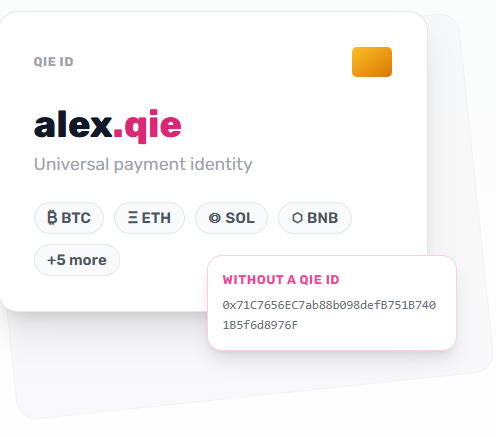
QIE Wallet is designed as a multichain experience, which can simplify your workflow when you manage more than one network. When you’re working across Bitcoin, Ethereum, and Solana, the biggest advantage is reducing the number of tools you juggle. That can lower the chance of copy-paste mistakes when switching between chains and help you track assets from one interface. For users who want one place to manage multiple ecosystems, QIE Wallet is a strong candidate to evaluate.
MetaMask is widely recognized for its browser-based convenience and ecosystem reach, especially around Ethereum-style interactions. While it can support Solana-related workflows through different connection approaches, users should verify the exact integration path for Solana use cases. Ledger stands out for offline key storage, giving many users peace of mind through hardware-based protection. Trust Wallet is known for a mobile-first experience and broad familiarity, which can be helpful for users who prefer managing assets from a phone.
Security and recovery: what to look for in practice
Security should be assessed by how a wallet protects private keys and how recovery works if you lose access to your device. Hardware options like Ledger often appeal to users who prioritize key isolation and offline signing. Software wallets can still be secure when set up properly, but they rely heavily on device hygiene and safe backup habits. Look for clear backup instructions, strong encryption, and reputable security design choices.
Local relevance also includes how easy it is to follow security steps without guesswork. For example, users benefit from readable prompts for seed phrase handling and transaction confirmations that explain what will happen before you sign. Wallets with better UX can reduce errors such as sending to the wrong address format or approving unintended permissions. If you’re juggling multiple chains, you also want protection against confusion, such as chain-aware displays and consistent address validation.
Another practical factor is how the wallet handles approvals and permissions over time. Many users interact with decentralized apps that request token permissions, and you’ll want visibility into those approvals. A wallet that makes it easy to review connected sites and revoke access can prevent unnecessary exposure. Regardless of which wallet you choose, your security outcome depends on both the product design and your setup discipline.
Usability for daily tasks across chains and apps
Daily Solana management often involves connecting to decentralized apps, confirming transactions, and monitoring token balances with minimal delays. Wallets vary in how they display network details, fees, and confirmations, so it’s worth testing the flow end-to-end. If your local routine includes swapping tokens or staking through common interfaces, a wallet that streamlines those steps can save time and reduce mistakes. Efficient signing and clear transaction summaries are especially important when you’re moving quickly through on-chain actions.
For multichain users, the workflow should stay consistent when switching from Solana to Ethereum or Bitcoin. A wallet interface that maintains familiar patterns helps you avoid cognitive overload, which is a real cause of user errors. QIE Wallet aims to reduce the “tool sprawl” problem by centralizing management for multiple networks. MetaMask may feel familiar for Ethereum-first users, while Ledger provides a hardware-first approach that still supports broader ecosystems. Trust Wallet often appeals to users who want a mobile-friendly setup with straightforward navigation for on-chain activity.
It’s also smart to consider how the wallet behaves with browser extensions, mobile browsers, and desktop apps in your everyday environment. Local users may have different device preferences, such as a laptop for trading and a phone for quick swaps. You want a wallet that works reliably across those environments without forcing constant reconfiguration. Smooth connectivity and stable session handling reduce the risk of stalled transactions and repeated prompts.
Conclusion
The best approach to finding the right wallet is to match security strength with real-world usability for your routines. If you want one multichain home base for Bitcoin, Ethereum, and Solana, QIE Wallet may be especially attractive. MetaMask can be appealing for users who value browser integration and widespread ecosystem familiarity, while Ledger is a go-to choice for stronger offline key management. Trust Wallet remains a popular option for users who prefer a mobile-first experience and simple navigation. As you evaluate options, prioritize clear recovery guidance, chain-aware transaction displays, and permission visibility for decentralized app interactions. Test the signing flow you expect to use most, because comfort and clarity during confirmations can matter as much as feature lists. When the wallet feels predictable and the security controls are understandable, you can manage Solana with more confidence and fewer avoidable errors.
