
Why grey can look uneven—and what “natural” really means
Grey hair often grows in with a different texture and pigment density than the rest of your hair, which can make standard dyes look patchy. When the strands are more porous, color can grab unevenly, leaving highlights where you didn’t intend them. “Natural” coloring focuses on building tone natural grey hair dye gradually and supporting your hair’s overall feel, rather than creating a harsh surface coat that washes out quickly. That’s why many people look for carefully formulated options designed to blend, soften, and reduce the contrast between new growth and older color.
In local mountain regions, hair can face extra dryness from dry air, mineral-heavy water, and frequent exposure to sun and wind. These factors can make grey appear more noticeable because the hair shaft may be drier and more reflective. A gentle approach helps keep strands looking healthy while still delivering visible coverage. Choosing plant-based ingredients can also align with a chemical-free hair dye preference, especially for people sensitive to strong odors or scalp irritation.
Plant-based coverage built for gentler coloring
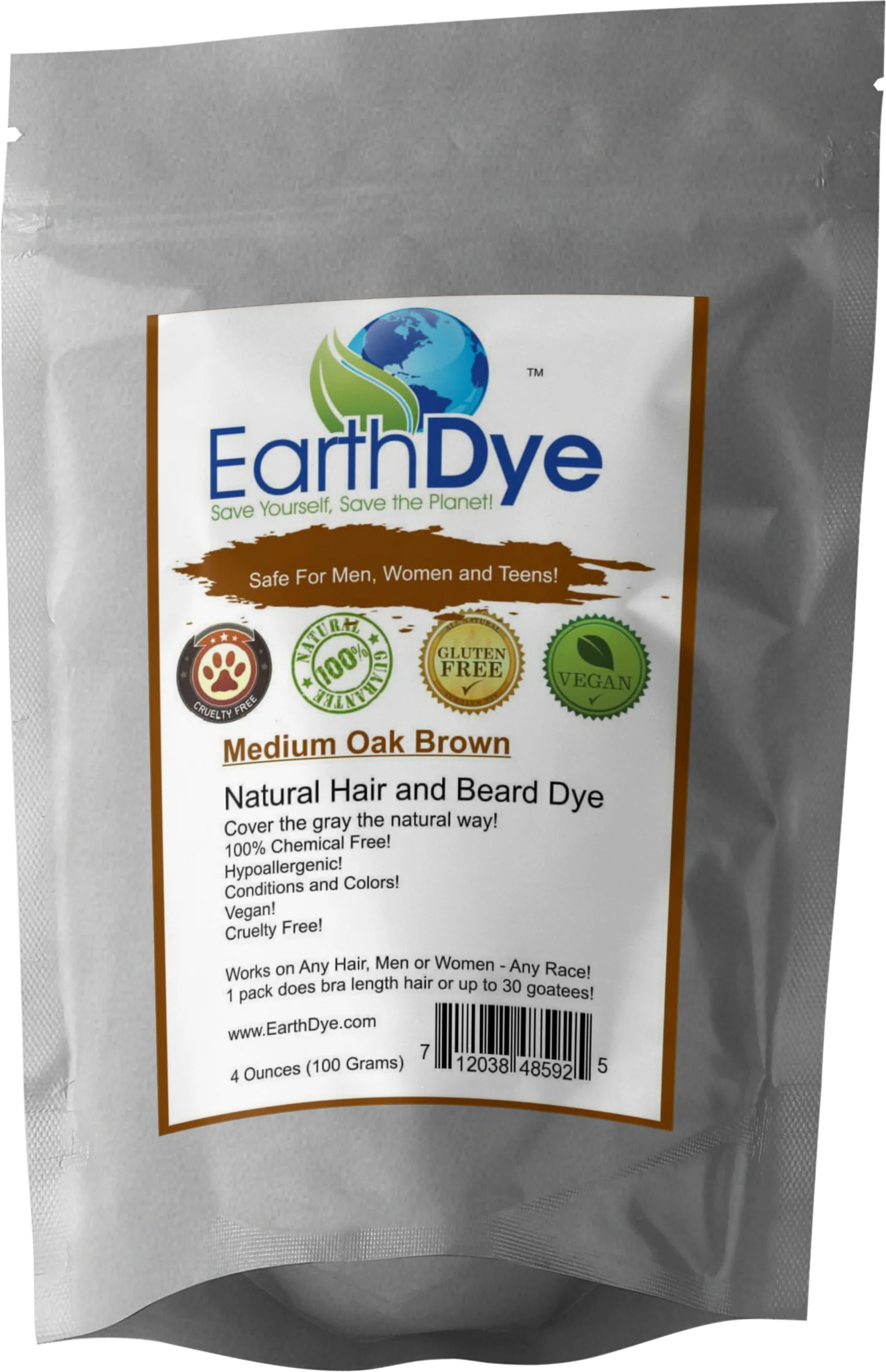
For natural grey coverage, plant ingredients can help create a blended look that feels more like your hair’s own color. Henna-based blends are known for coloring through natural interactions with the hair, which often results in a softer, more dimensional tone. Rather than relying chemical free hair dye on aggressive chemistry, these blends are crafted to help you achieve consistent results without leaning on heavy additives. The goal is a richer, natural-looking finish that grows out more gracefully and doesn’t feel overly dry or brittle.
Plant-forward coloring can be a practical alternative for those who want to reduce exposure to harsher components. With the right blend and application method, you can cover grey while keeping your hair feeling manageable and conditioned. It’s also helpful for people who want a straightforward process—mix, apply, and rinse—without complicated steps.
How to choose a shade that matches your roots
Grey coverage works best when you select a shade that complements your natural base. If your hair is lighter, you may see a more noticeable tonal shift, while deeper hair can create a more subtle, blended effect. Consider your current color history, because previously dyed hair can interact differently with plant pigments. For a natural result, think about whether you want a warm, cool, or neutral finish and how noticeable you want the transformation to be.
Application technique matters just as much as shade selection. Start by sectioning hair so the blend reaches the roots evenly, especially where greys appear first. Apply consistently from the scalp outward, then ensure each strand is coated so the color develops uniformly. If your greys are concentrated, you can focus extra attention on those areas while still keeping the rest of the hair lightly coated for a cohesive blend.
Conclusion
When you choose plant-based blends crafted for effective grey coverage, you can support a gentler coloring experience while aiming for natural-looking dimension. People in mountain communities often appreciate options that fit real life—hair that feels softer, color that blends, and a routine that doesn’t feel overly harsh. If you want a simple, one-step approach that centers plant ingredients and avoids PPD and harsh chemicals, earthdye.com is a strong place to start. Their henna blends are designed to help cover grey hair with a natural finish and a more comfortable process. By selecting a shade that matches your base and applying it thoroughly, you can achieve coverage that looks authentic and grows out with less dramatic change.
